Marhaban Ya Ramadhan: Experiencing Ramadan in Indonesia
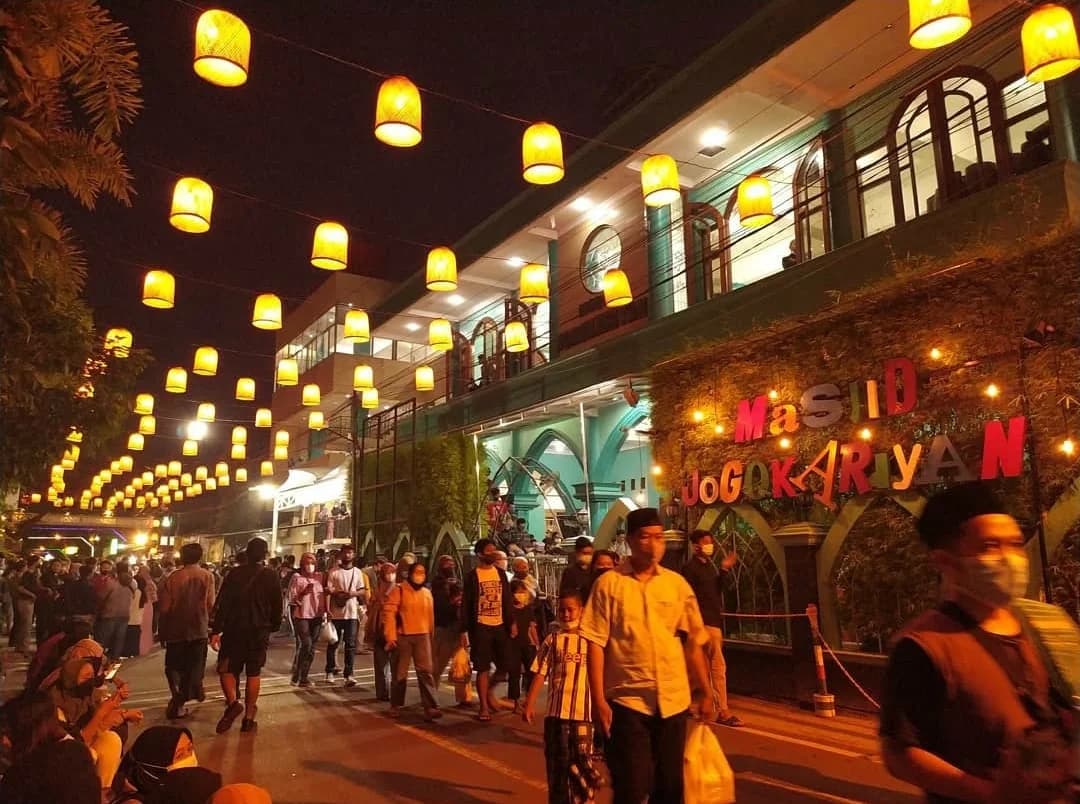
When the crescent moon appears and the words “Marhaban Ya Ramadhan” echo across neighborhoods, Indonesia transforms. Streets glow with mosque lights, the rhythm of daily life slows, and a spiritual atmosphere embraces the nation. Ramadan in Indonesia is not only about fasting it is about community, generosity, food traditions, and deep cultural warmth.
As the country with the world’s largest Muslim population, Indonesia celebrates Ramadan in ways that are both deeply spiritual and uniquely local. From pre-dawn meals to lively evening food markets, every day of Ramadan carries meaning.
What “Marhaban Ya Ramadhan” Truly Means
“Marhaban” means welcome. So when Indonesians say Marhaban Ya Ramadhan, it is a heartfelt greeting: “Welcome, O Ramadan.”
It expresses joy in receiving a holy month filled with forgiveness, reflection, patience, and blessings. Ramadan is seen not as a burden but as a guest of honor.
The Daily Rhythm of Ramadan in Indonesia
Ramadan shifts the country’s daily routine.
🌙 Sahur (Pre-Dawn Meal)
Around 3–4 AM, families wake up for sahur. In many neighborhoods, volunteers walk around beating drums or calling out to wake residents. It’s a tradition that feels communal and nostalgic.
🌞 Fasting (Puasa)
From sunrise to sunset, Muslims abstain from food, drink, and negative behavior. Offices and schools often adjust schedules. The atmosphere becomes calmer and more reflective.
🌇 Iftar (Breaking the Fast)
At sunset, families gather to break their fast—usually starting with sweet drinks and light snacks before moving to a full meal.
And this is where one of Indonesia’s most beloved Ramadan traditions comes alive: Ngabuburit and hunting for takjil.
The Culture of “Ngabuburit” & Hunting for Takjil
One of the most iconic Ramadan experiences in Indonesia is ngabuburit—the activity of waiting for sunset while doing something enjoyable. It could mean strolling around the neighborhood, sitting in a park, or visiting a Ramadan bazaar.
But for many Indonesians, ngabuburit means one thing:
🍡 Takjil Hunting
Takjil refers to light snacks and sweet drinks eaten to break the fast. Across Indonesia, streets transform into vibrant Ramadan markets every afternoon. Vendors line the sidewalks selling colorful and tempting treats.
Some popular takjil include:
- Kolak (banana in coconut milk and palm sugar)
- Es buah (fruit cocktail with syrup and milk)
- Gorengan (fried snacks)
- Kurma (dates)
- Bubur sumsum (rice flour porridge with palm sugar syrup)
The atmosphere is festive. Families, students, office workers—all gather to choose their favorite dishes. It’s not just about food. It’s about connection.
The simple act of buying takjil becomes a daily ritual of joy.
The Philosophy of Ramadan in Indonesia
Beyond fasting from food and drink, Ramadan teaches:
- Patience
- Gratitude
- Self-control
- Empathy for the less fortunate
- Strengthening family bonds
The culture of sharing food, like takjil and free iftar meals, reflects a deeper value: no one should break their fast alone.
Share this Article