Chinese New Year in Indonesia: Where Tradition, Culture, and Celebration Come Alive
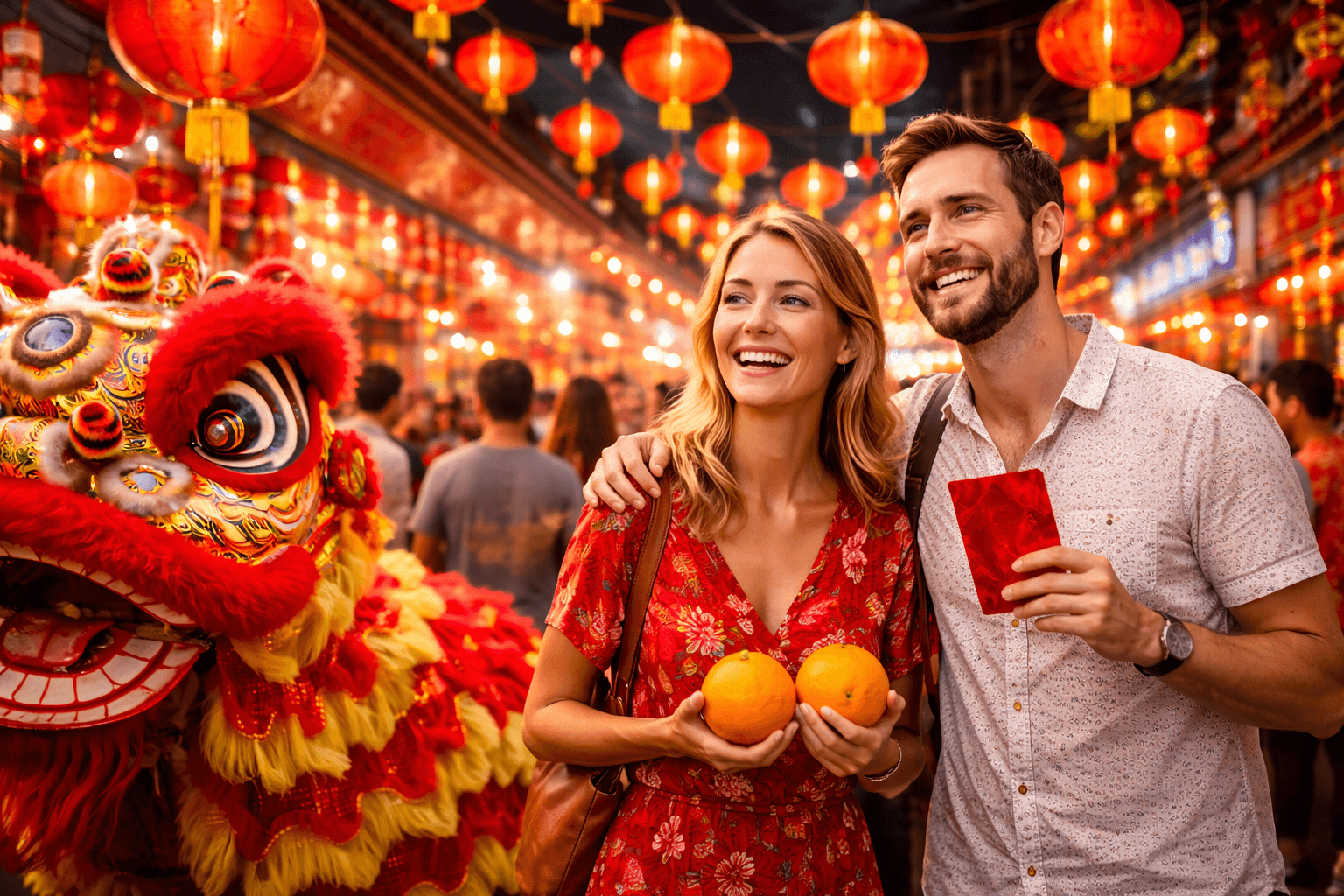
Chinese New Year also known as Lunar New Year is more than just a calendar change in Indonesia.
It’s a vibrant cultural celebration filled with color, family reunions, meaningful rituals, and powerful symbolism. Over the years, it has grown into one of the most anticipated cultural festivals in the country, celebrated not only by Chinese-Indonesians but embraced by wider communities as well.
Here’s a shorter, engaging look at how Indonesia celebrates Chinese New Year, which cities are the most festive, and what it all truly means.
The Most Festive Cities in Indonesia
- Singkawang – The Grandest Celebration
Often called the most spectacular Chinese New Year celebration in Indonesia, Singkawang is famous for its massive Cap Go Meh festival (the 15th day of Lunar New Year).
The highlight? The Tatung parade spiritual performers believed to be possessed by guardian spirits who perform extreme rituals to ward off evil and bring blessings for the year ahead. Thousands of visitors come every year just to witness this powerful cultural event.
- Jakarta – Glodok & Petak Sembilan
In Jakarta, the Chinatown area of Glodok turns bright red with lanterns, decorations, and festive markets. Lion dances (Barongsai), temple prayers, and special Lunar New Year promotions fill the city with energy.
Modern malls and hotels also join the celebration, blending tradition with contemporary lifestyle.
- Semarang – Lantern Festival Vibes
Semarang’s Chinatown lights up with hundreds of lanterns during the Lunar New Year festival. Cultural parades often showcase a beautiful mix of Javanese and Chinese heritage, reflecting Indonesia’s unique cultural harmony.
- Pontianak & Medan
Both cities have large Chinese-Indonesian communities and celebrate with lion dances, family gatherings, temple rituals, fireworks, and lively street festivals.
Key Traditions During Chinese New Year
🏮Spring Cleaning
Homes are cleaned before New Year’s Eve to remove bad luck. But on the first day, sweeping is avoided—so you don’t “sweep away” good fortune.
👨👩👧👦 Reunion Dinner
The night before Lunar New Year is the most important family gathering of the year. Traditional dishes are served, each carrying symbolic meaning:
Fish = abundance
Longevity noodles = long life
Mandarin oranges = prosperity
Sticky rice cake = rising fortune
🧧 Angpao (Red Envelopes)
Red envelopes filled with money are given to children and unmarried relatives as a symbol of blessings and good luck.
🐲 Lion & Dragon Dances
Performed to drive away negative energy and welcome prosperity.
🎉 Cap Go Meh (Day 15)
The grand finale of the celebration—often even more festive than the first day.
More Than Just a Festival
In Indonesia, Chinese New Year is more than tradition it’s a reflection of cultural harmony. From Singkawang’s spiritual parades to Jakarta’s vibrant Chinatown and Semarang’s glowing lantern streets, the celebration highlights unity in diversity.
At its heart, Lunar New Year carries a universal message:
hope, renewal, family, gratitude, and optimism for the year ahead.
Gong Xi Fa Cai !
Share this Article